

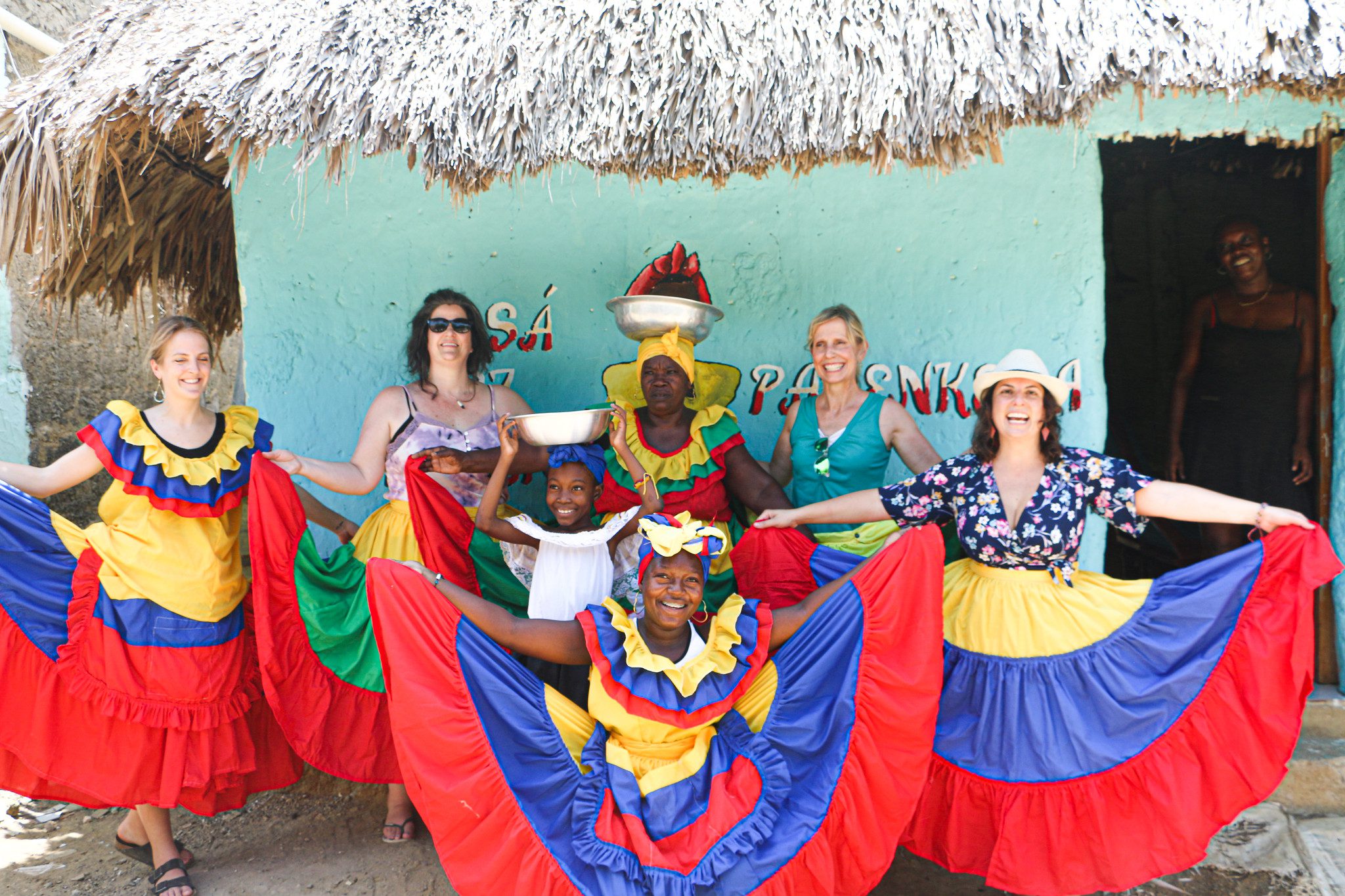
Are you dreaming of vibrant cities, lush landscapes, and unforgettable experiences? A trip to Colombia awaits. This is a land of magical realism, a place where snow-capped Andean peaks give way to sun-drenched Caribbean beaches and where the rhythm of salsa and cumbia pulses through colonial streets. Preparing for a journey here is the first step toward an adventure that will captivate your senses and stir your soul.
To help you get ready for your trip, we’ve created the ultimate Colombian travel guide. This post is filled with essential Colombia travel tips to ensure a smooth, safe, and deeply rewarding journey. Whether you’re seeking cultural immersion in Bogotá, thrilling adventures in Medellín, or simply a relaxing getaway in Cartagena, this guide will equip you with the knowledge you need.
If you want expert help crafting your perfect Colombian itinerary, fill out our vacation form with your details, and we’ll get to work.
Now, let’s dive into the 10 key tips for preparing for your trip to Colombia.
1. Do I Need a Visa for Colombia?
For most travelers, the visa process is straightforward.
- Visitors from the majority of European countries and the United States are typically granted a 90-day tourist permit upon arrival.
- You must be able to prove your intention to leave the country within this period, so have your return flight information ready in case you are asked.
If you plan on extending your stay, you can apply for an extension at an office of Migración Colombia, found in most major cities. To check the specific visa requirements for your country, visit the official Cancillería website. The page is in Spanish, but you can navigate it by selecting your home country, passport type (usually “ordinario”), and reason for travel.

2. What Vaccinations and Insurance Do I Need?
Travel insurance is non-negotiable for any international trip. We highly recommend arranging comprehensive coverage before you arrive in Colombia.
Regarding vaccinations, it’s always best to consult your doctor for personalized advice.
- The yellow fever vaccine is recommended for travel to certain regions, including the Amazon, Caño Cristales, and the Eastern Plains.
- You can get the yellow fever vaccine for free at El Dorado Airport in Bogotá at the Vaccination Point on the second floor. It is recommended to get it 10 days before traveling to at-risk areas.
- The COVID-19 vaccine is no longer required to enter Colombia.
Impulse Travel Tip: Ask your insurance provider for coverage documents in Spanish. This can save you significant time and effort if you need to use your insurance during your stay.

While English is spoken in major tourist hubs, learning some basic Spanish will transform your experience. Colombians are exceptionally friendly and will appreciate your effort. A few phrases can open doors to warmer interactions and better bargaining at local markets.
Don’t be shy! Even broken Spanish will help you navigate, and locals will often go the extra mile to assist you. You might even get to ask for a “ñapa” (a little something extra for free) when buying fruit. Away from the tourist centers, Spanish is essential. Apps like Duolingo or Memrise can help you learn the basics in a fun way.
Impulse Travel Tip: Carry a notebook to jot down new words and phrases. It’s a wonderful way to connect more deeply with the culture and engage with the warm and welcoming people of Colombia.

Fruit stalls are everywhere in Colombia so you don’t want to miss out
on trying as many as you can with your Spanish skills!
4. What’s the Best Time to Visit Colombia?
Is Colombia a year-round destination? Absolutely, although the period from December to March is often the most recommended. At Impulse Travel, we go beyond that simple answer. We know that Colombia’s extensive range of microclimates means that the “best time to travel to Colombia” changes depending on where you are. We’re here to help you navigate those unique Colombia weather patterns so you can schedule your adventure precisely for the optimal conditions in the specific regions you plan to explore.
Keep in mind that even during a rainy season, you won’t miss out on amazing experiences—you’ll still find great coffee and cultural activities like our Cartagena Coffee master! However, if you are traveling during major holidays or peak summer periods (especially December, January, and July), we highly recommend booking popular tours like Monserrate on weekdays to avoid large crowds and long wait times.
The best time to visit Colombia also depends entirely on your specific goals. While some regions can be visited year-round, here is a guide on when to go to more complex and highly sought-after destinations:
Regional Guide: Best Time to Visit Specific Destinations
Pacific Coast (Whale Watching & Sea Turtles)
The primary reason travelers visit the Pacific Coast of Colombia is for the majestic annual migration.
- Whale Watching Season: July – October is the best time for whale watching as humpback whales arrive for calving.
- Sea Turtle Season: Late October to December offers the unique experience of sighting, nesting, and release of sea turtles.
Caribbean and Atlantic Coasts
The coastal climate is hot year-round. For the ideal beach experience, avoid the wettest periods.
- Best Time: Avoid the rainy season between May and June as well as the short rainy season in October. We offer some of the most incredible Caribbean and Atlantic Coast experiences you can book through our website here.
Amazon Jungle
The Amazon jungle in Colombia offers two distinct experiences based on water levels.
- Dry Season: July and September is the Amazon jungle dry season. This allows for more activities like hiking through the rainforest and enjoying the river banks.
- Wet Season: The first half of the year (Wet Season) allows deeper exploration of the flooded jungle on canoe trips, often teeming with wildlife. Explore our Remote Amazon Jungle, the Path of the Anaconda, or the amazing and ancestral Guaviare region on our site if you are interested in traveling to the lungs of the earth.
Caño Cristales (The Rainbow River)
This spectacular natural phenomenon is highly seasonal and requires advance planning.
- Caño Cristales Best Season: The vibrant colors of the Rainbow River are only visible between June and November. We highly recommend that you book this unique Caño Cristales trip in advance as the demand is high and capacity is low. You can inquire about our 3-day or longer trips via our contact form.

The river bed of Caño Cristales becomes colorful due to the flowering
of the aquatic plants Macarenia Clavigera during the rain season.
5. Where Should I Go in Colombia?
As the world’s second most biodiverse country, Colombia offers an overwhelming array of choices. From Caribbean beaches to the Amazon rainforest, it’s impossible to see everything in one go. Our advice? Focus on one or two regions to truly connect with the place and its people. This amazing biodiversity is cared for by indigenous communities who have shaped the nation’s relationship with nature.
The country is divided into six distinct geographical regions, each with its own unique charm. To get a feel for this diversity, check out the 6 Tourism Regions of Colombia video series.
For a deeper cultural immersion, explore the “Red de Pueblos Patrimonio” (Heritage Towns Network), where colonial architecture and indigenous crafts create a beautiful blend.

6. What Should I Pack for a Trip to Colombia?
Packing for Colombia means preparing for multiple climates in one trip. You could be exploring the cool, high-altitude streets of Bogotá one day and relaxing on a warm Cartagena beach the next.
Here’s a quick packing list:
- For “Tierra Fría” (cold land) like Bogotá: Long trousers, a jacket, and comfortable closed-toe shoes.
- For “Tierra Caliente” (warm land) like Cartagena: Shorts, light dresses, walking sandals, and flip-flops for the beach. Packing for Cartagena weather should prioritize breathable fabrics.
- For all regions: A light raincoat is essential for unexpected showers.
For a night out: Colombians love to dress up for rumba (partying), so pack a nice shirt or dress to blend in.

7. How to Handle Money in Colombia
While major hotels, restaurants, and supermarkets accept credit cards, cash is king in Colombia. You’ll need Colombian Pesos (COP) for smaller shops, street food stalls, and local markets. It’s best to withdraw cash from an ATM or exchange major currencies like USD or EUR at an official exchange house.
Before you travel, inform your bank of your trip to avoid having your card blocked. Also, be aware of potential withdrawal fees from both your home bank and the local ATM.

8. Staying Safe in Colombia
Colombia is safer than ever, but like any destination, it’s important to take precautions. Here are some key Colombia travel tips for safety:
- In urban areas like Bogotá: Ask hotel staff or local friends about safe zones and areas to avoid.
- On public transport: Keep your belongings close, especially in crowded buses. Avoid flashing expensive electronics.
- “No dar papaya”: This local phrase means “don’t give papaya,” or don’t make yourself an easy target. Stay aware of your surroundings.
- Rural Travel: For venturing into rural areas, pre-booking accommodations and tours with a trusted operator like Impulse Travel adds a layer of security and ensures a richer experience.
Learn more with our complete guide on traveling safely in Colombia.

9. Experience the Rumba (The Party)
Prepare to be swept away by Colombia’s vibrant rumba scene as you plan your journey to this dynamic destination. From the pulsating rhythms of salsa to the infectious beats of reggaeton, Colombia’s party culture is an essential part of the travel experience. Dive into the bustling nightlife of cities like Bogota, Cartagena, Medellín and Cali, where dance clubs ignite with energy and passion.
Experience the exhilaration of Colombia’s legendary festivals, from the colorful Carnaval de Barranquilla to the electrifying Feria de Cali or the traditional Festival Petronio Alvarez where homage is paid to the Afro-Colombian culture of our Pacific Coast.
Embrace the warmth of Colombian hospitality as you dance, laugh, and celebrate alongside locals, creating memories to last a lifetime. If you love music and would like to live and experience the soul of the Caribbean rhythms go check out our most amazing travel series Sounds of Colombia.

10. Indulge in Colombian Food
Get ready for a culinary journey! Colombian cuisine is a delicious tapestry of indigenous, Spanish, and African influences. Every region offers its own unique flavors. Be sure to try:
- Arepas: Grilled corn cakes with countless variations.
- Bandeja Paisa: A hearty platter from the Antioquia region.
- Ajiaco: A rich chicken and potato soup, a specialty of Bogotá.
- Fresh Fruits: Sample exotic fruits you’ve never seen before at a local market.
- Sancocho: A comforting soup found throughout the country, perfect for curing a hangover (guayabo).
Impulse Travel Tip: Want to navigate the cities like a local? Fill out our form to receive our ultimate City Guides for Bogotá, Medellín, and Cartagena!

11. Stay connected while you travel

Start Your Colombian Adventure Today
Preparing for your trip to Colombia is the beginning of an incredible journey. We hope this guide has inspired you and provided the practical tips you need to travel with confidence.
At Impulse Travel, we specialize in curating flexible, authentic itineraries that match your unique interests. Our local experts handle all the logistics, allowing you to immerse yourself fully in your Colombian adventure.
Contact us today to start planning your dream trip to Colombia!
endations on how to prepare for your trip to Colombia. If you already have your travel dates or are just starting your research about our country, we hope this blog has been informative and at the same time fun to read.
At Impulse Travel, we curate flexible itineraries that cater to your interests and travel style. Our local experts will handle the logistics, allowing you to relax and enjoy your Colombian adventure to the fullest. Contact us today to start planning your dream trip!


